**Exploring the Diverse Cultures of the Schengen Zone and Pakistan**
Category : | Sub Category : Posted on 2024-10-05 22:25:23
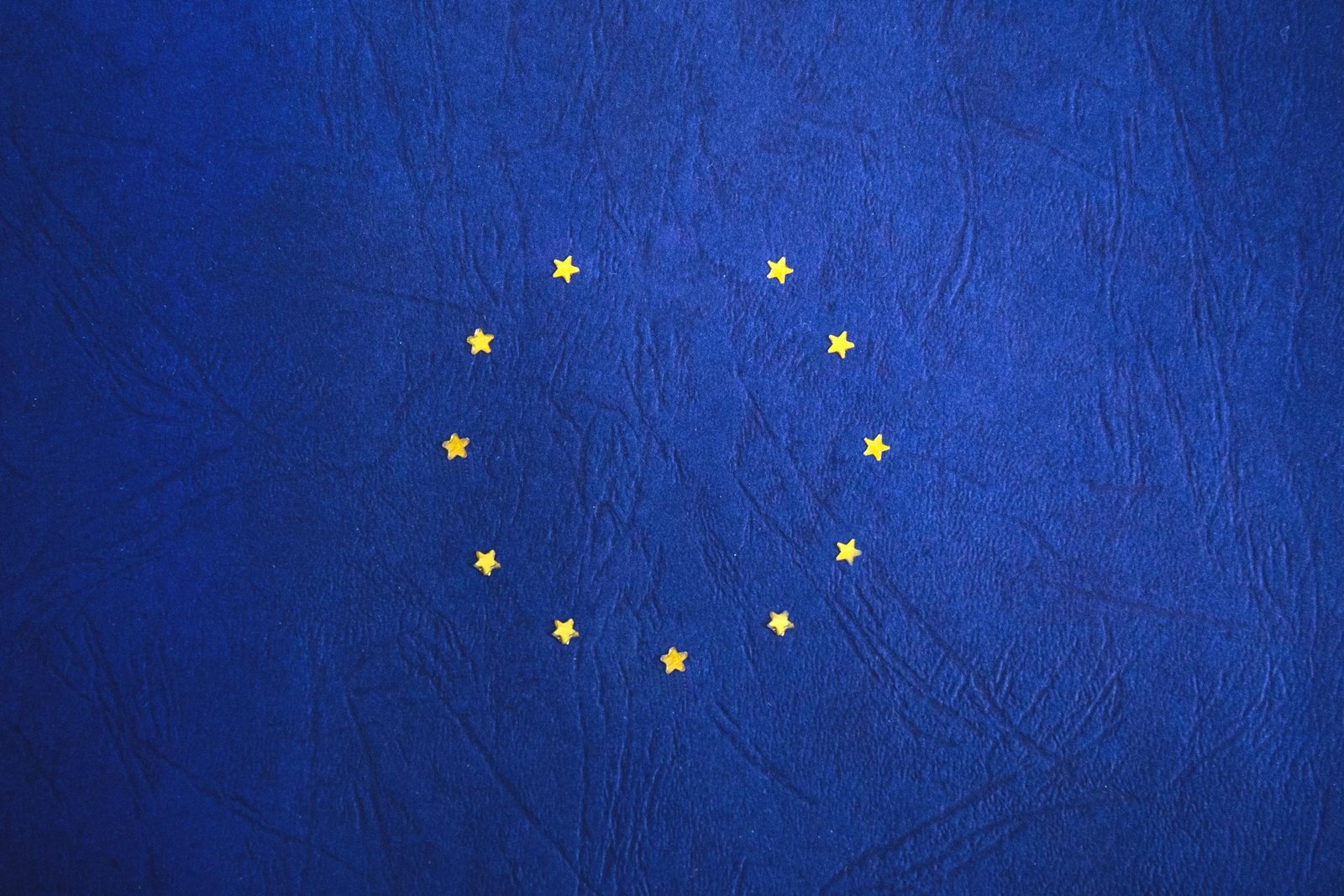
The Schengen Zone in Europe and Pakistan are two regions known for their rich cultural heritage, traditions, and unique customs. Despite being geographically distant from each other, these regions offer a fascinating insight into the diverse cultures that exist in our world today. Let's delve deeper into the contrasting yet vibrant cultural landscapes of the Schengen Zone and Pakistan. **The Schengen Zone: A Cultural Mosaic** The Schengen Zone, comprising 26 European countries, is known for its historical landmarks, art, cuisine, and diverse traditions. Each country within the Schengen Zone has its own distinctive culture, language, and customs. From the romantic ambiance of Paris to the picturesque landscapes of Switzerland, the Schengen Zone offers a tapestry of cultural experiences for travelers to explore. **Art and Architecture:** The Schengen Zone is home to some of the world's most renowned art galleries and architectural wonders. Visitors can admire the works of iconic artists such as Michelangelo, Leonardo da Vinci, and Van Gogh in museums across the region. Architectural marvels like the Eiffel Tower in Paris and the Colosseum in Rome showcase the rich history and artistic achievements of the Schengen countries. **Cuisine:** Food plays a significant role in the culture of the Schengen Zone, with each country boasting its own culinary specialties. From delectable pastries in Austria to savory tapas in Spain, the diverse range of flavors and dishes in the Schengen countries delight food enthusiasts from around the world. **Festivals and Traditions:** The Schengen countries celebrate a variety of festivals and traditions that reflect their cultural heritage. Whether it's the vibrant Carnival in Venice, Oktoberfest in Germany, or the colorful Fête de la Musique in France, each celebration offers a glimpse into the unique customs and traditions of the region. **Pakistan: A Land of Diversity and Rich Heritage** On the other hand, Pakistan, located in South Asia, is a country known for its diverse cultures, languages, and traditions. With a history dating back thousands of years, Pakistan is home to ancient civilizations, architectural marvels, and a vibrant tapestry of ethnicities. **Cultural Diversity:** Pakistan is a melting pot of cultures, with influences from various civilizations such as the Indus Valley civilization, Persian Empire, and Mughal dynasty. The country's diverse ethnic groups, including Punjabis, Sindhis, Pashtuns, Balochis, and Kashmiris, each contribute to the rich tapestry of Pakistani culture. **Art and Craftsmanship:** Pakistani artisans are renowned for their exquisite craftsmanship in fields such as pottery, textiles, embroidery, and jewelry making. The intricate designs and vibrant colors of Pakistani handicrafts reflect the artistic prowess of the country's skilled artisans. **Music and Dance:** Music and dance play a vital role in Pakistani culture, with diverse regional music traditions such as Qawwali, Ghazals, and folk music. Traditional dances like the energetic Bhangra and the graceful Kathak showcase the cultural diversity and vibrancy of Pakistani performing arts. **Festivals and Celebrations:** Pakistan celebrates a myriad of festivals and religious events throughout the year, including Eid-ul-Fitr, Eid-ul-Adha, Basant, and Shandur Polo Festival. These celebrations provide an opportunity for communities to come together, showcase their traditions, and celebrate their cultural heritage. **Bridging Cultures: Exploring the Connections** While the Schengen Zone and Pakistan may seem worlds apart in terms of geography and cultural practices, there are intriguing connections that highlight the shared humanity and interconnectedness of our global society. Through cultural exchanges, travel, and mutual understanding, we can appreciate the beauty of diversity and foster deeper connections between different cultures. Whether it's marveling at the architectural splendors of Europe or immersing oneself in the vibrant traditions of Pakistan, exploring diverse cultures enriches our lives and broadens our perspectives. By celebrating the unique heritage of each region and embracing cultural differences, we can foster a more inclusive and harmonious world for all.
Leave a Comment:
SEARCH
Recent News
- Zurich, Switzerland is a city known for its stunning landscapes, charming streets, and vibrant culture. One of the many delights of visiting Zurich is the opportunity to explore its unique shopping scene. For those looking to add a touch of luxury and warmth to their wardrobe, Zurich is the perfect place to discover exquisite wool stoles.
- Winter in Zurich, Switzerland is a magical time of year when snow-capped mountains, charming Christmas markets, and cozy cafes create a picturesque scene straight out of a fairytale. As the temperatures drop and the city prepares for the festive season, one essential accessory that both locals and visitors alike reach for to stay warm and stylish is a winter stole.
- Zurich, Switzerland: A Haven for Wildlife Conservation
- Zurich, Switzerland, and Vancouver, Canada, are two bustling cities known for their thriving startup scenes. In this blog post, we will take a closer look at some of the top startups making waves in each city.
- Zurich, Switzerland and Vancouver, Canada: A Comparison of Import and Export Opportunities
- Zurich, Switzerland and Vancouver, Canada are two vibrant cities with distinct characteristics that make them stand out in their respective regions. While Zurich is known for its financial prowess and high quality of life, Vancouver is a bustling hub of business and innovation on the west coast of Canada. Let's take a closer look at how these two cities compare in terms of their business environments.
- Zurich, Switzerland and Vancouver, Canada are both vibrant cities known for their strong economies and diverse job markets. In this article, we explore some of the best companies to work for in these two cities, highlighting their unique offerings and what makes them stand out in their respective industries.
- Located in the heart of Switzerland, Zurich is known for its stunning natural beauty, bustling city life, and thriving business environment. The city attracts businesses from all over the world, thanks to its robust infrastructure, highly skilled workforce, and favorable economic policies. For UK businesses looking to expand or set up operations in Zurich, there are a number of government business support programs available to help navigate the process.
READ MORE
7 months ago Category :

Zurich, Switzerland is a city known for its stunning landscapes, charming streets, and vibrant culture. One of the many delights of visiting Zurich is the opportunity to explore its unique shopping scene. For those looking to add a touch of luxury and warmth to their wardrobe, Zurich is the perfect place to discover exquisite wool stoles.
Read More →7 months ago Category :

Winter in Zurich, Switzerland is a magical time of year when snow-capped mountains, charming Christmas markets, and cozy cafes create a picturesque scene straight out of a fairytale. As the temperatures drop and the city prepares for the festive season, one essential accessory that both locals and visitors alike reach for to stay warm and stylish is a winter stole.
Read More →7 months ago Category :

Zurich, Switzerland: A Haven for Wildlife Conservation
Read More →7 months ago Category :
