Exploring the World of Deepfake Schengen Zone Maps
Category : | Sub Category : Posted on 2024-10-05 22:25:23
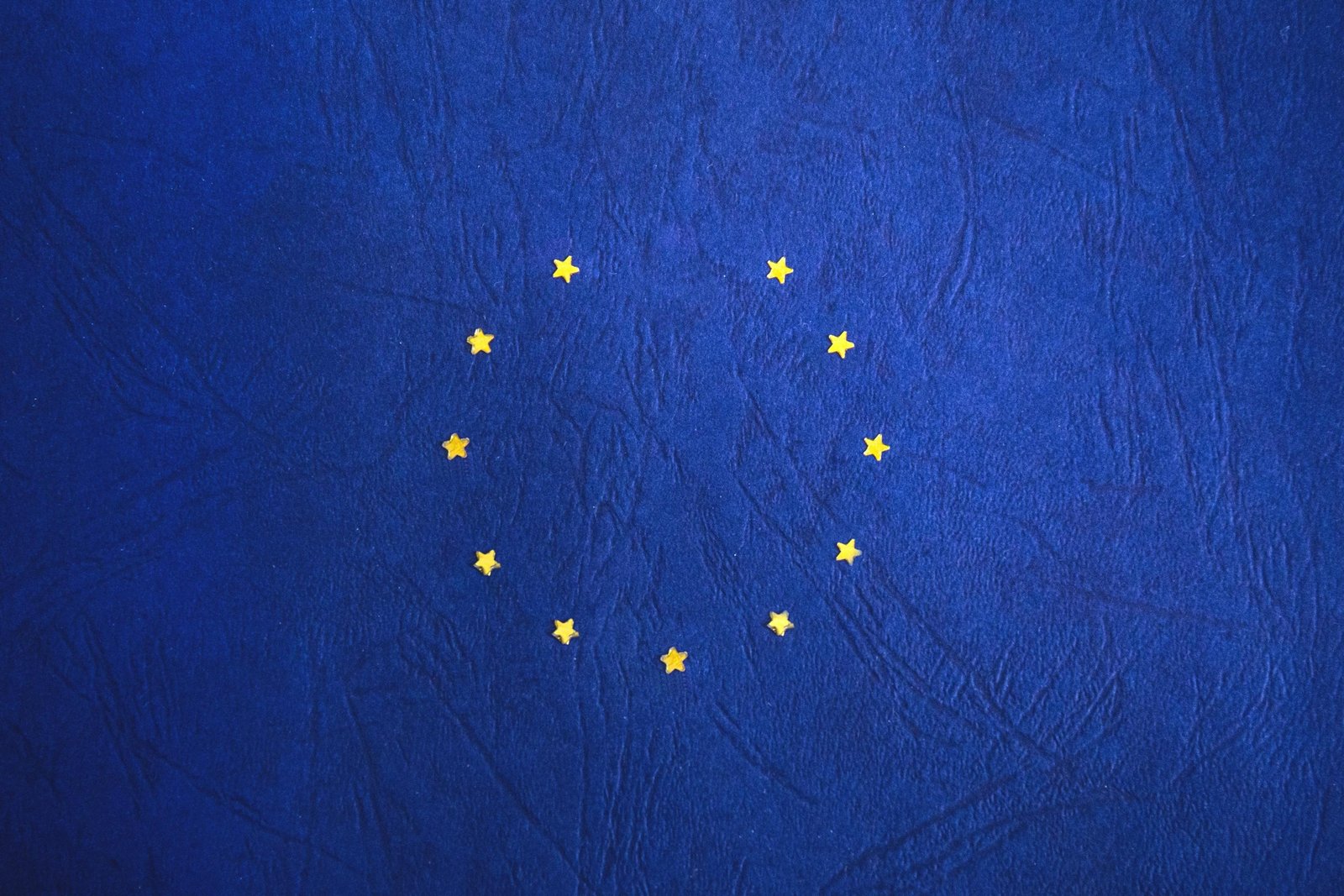
In today's digital age, advancements in technology have made it easier than ever to manipulate and create counterfeit maps. One alarming trend that has emerged is the creation of deepfake Schengen Zone maps, which pose a significant threat to border security and national sovereignty. The Schengen Zone, established in 1985, is a coalition of European countries that have abolished internal borders, allowing for the free movement of people and goods within the area. This system relies on accurate maps to delineate the boundaries of the participating countries. However, the rise of deepfake technology has raised concerns about the integrity of these maps. Deepfake technology uses artificial intelligence to create highly convincing counterfeit content, including images, videos, and now, maps. By manipulating geographic data and borders, malicious actors can create fake Schengen Zone maps that could have serious implications for border control and immigration policies. One of the primary dangers of deepfake Schengen Zone maps is the potential for illegal border crossings and human trafficking. If counterfeit maps are distributed and believed to be authentic, individuals could exploit the discrepancies to enter or exit countries undetected. This could pose a significant security risk and strain resources for law enforcement agencies tasked with maintaining border integrity. Additionally, deepfake Schengen Zone maps could erode trust among member countries and undermine the principles of the Schengen Agreement. Accurate mapping is essential for cooperation and coordination among Schengen Zone countries, and any falsification of this data could lead to diplomatic disputes and breakdowns in communication. To combat the threat of deepfake Schengen Zone maps, it is essential for governments and international organizations to invest in robust security measures and verification protocols. By utilizing advanced technology, such as blockchain and satellite monitoring, authorities can enhance the authenticity and accuracy of maps used for border control. Education and awareness are also key components in mitigating the risks associated with deepfake maps. By training border patrol agents, immigration officials, and the public on how to detect and report suspicious maps, we can collectively work towards safeguarding the integrity of the Schengen Zone and upholding the values of freedom of movement and collaboration. In conclusion, the emergence of deepfake Schengen Zone maps presents a significant challenge to border security and international relations. By remaining vigilant and proactive in addressing this threat, we can protect the integrity of the Schengen Agreement and ensure the continued success of the European Union's vision of a borderless Europe.
Leave a Comment:
SEARCH
Recent News
- Zurich, Switzerland is a city known for its stunning landscapes, charming streets, and vibrant culture. One of the many delights of visiting Zurich is the opportunity to explore its unique shopping scene. For those looking to add a touch of luxury and warmth to their wardrobe, Zurich is the perfect place to discover exquisite wool stoles.
- Winter in Zurich, Switzerland is a magical time of year when snow-capped mountains, charming Christmas markets, and cozy cafes create a picturesque scene straight out of a fairytale. As the temperatures drop and the city prepares for the festive season, one essential accessory that both locals and visitors alike reach for to stay warm and stylish is a winter stole.
- Zurich, Switzerland: A Haven for Wildlife Conservation
- Zurich, Switzerland, and Vancouver, Canada, are two bustling cities known for their thriving startup scenes. In this blog post, we will take a closer look at some of the top startups making waves in each city.
- Zurich, Switzerland and Vancouver, Canada: A Comparison of Import and Export Opportunities
- Zurich, Switzerland and Vancouver, Canada are two vibrant cities with distinct characteristics that make them stand out in their respective regions. While Zurich is known for its financial prowess and high quality of life, Vancouver is a bustling hub of business and innovation on the west coast of Canada. Let's take a closer look at how these two cities compare in terms of their business environments.
- Zurich, Switzerland and Vancouver, Canada are both vibrant cities known for their strong economies and diverse job markets. In this article, we explore some of the best companies to work for in these two cities, highlighting their unique offerings and what makes them stand out in their respective industries.
- Located in the heart of Switzerland, Zurich is known for its stunning natural beauty, bustling city life, and thriving business environment. The city attracts businesses from all over the world, thanks to its robust infrastructure, highly skilled workforce, and favorable economic policies. For UK businesses looking to expand or set up operations in Zurich, there are a number of government business support programs available to help navigate the process.
READ MORE
7 months ago Category :

Zurich, Switzerland is a city known for its stunning landscapes, charming streets, and vibrant culture. One of the many delights of visiting Zurich is the opportunity to explore its unique shopping scene. For those looking to add a touch of luxury and warmth to their wardrobe, Zurich is the perfect place to discover exquisite wool stoles.
Read More →7 months ago Category :

Winter in Zurich, Switzerland is a magical time of year when snow-capped mountains, charming Christmas markets, and cozy cafes create a picturesque scene straight out of a fairytale. As the temperatures drop and the city prepares for the festive season, one essential accessory that both locals and visitors alike reach for to stay warm and stylish is a winter stole.
Read More →7 months ago Category :

Zurich, Switzerland: A Haven for Wildlife Conservation
Read More →7 months ago Category :
